8011 vs 3003 Aluminum Foil: Which Is Better for Food Packaging?
Aluminum foil is one of the most widely used materials in the food packaging industry due to its excellent barrier properties, lightweight structure, recyclability, and ability to protect food from moisture, oxygen, light, and contamination. However, when selecting aluminum foil for food packaging applications, many buyers compare two popular alloys: 8011 aluminum foil and 3003 aluminum foil.
Both alloys are commonly used for food-related applications, but they have different characteristics. Choosing the right aluminum foil depends on the final product requirements, including strength, flexibility, forming performance, and packaging purpose. This article explains the differences between 8011 vs 3003 aluminum foil and helps you determine which option is better for food packaging.
What Is 8011 Aluminum Foil?
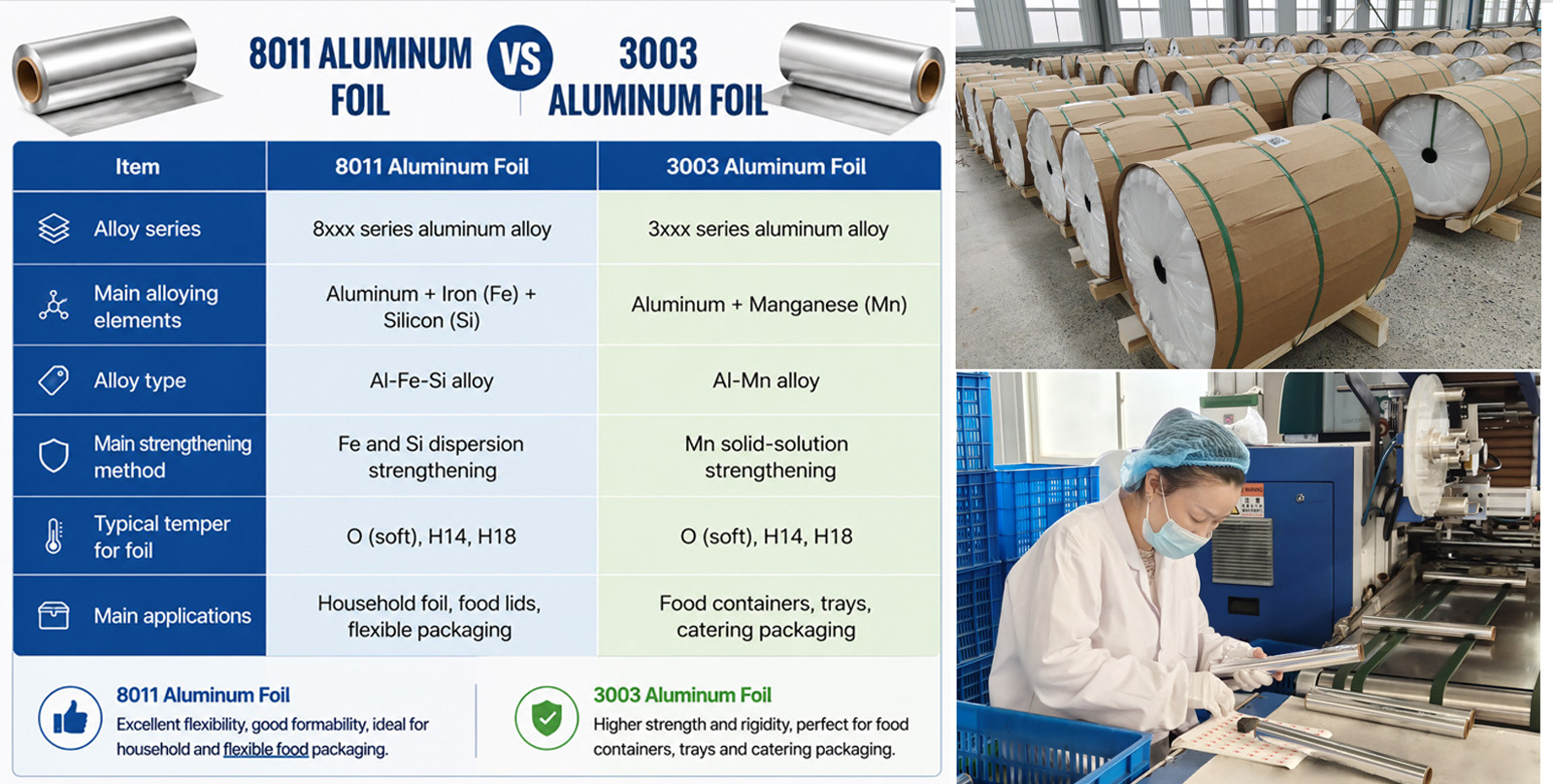
8011 aluminum foil is an aluminum-iron-silicon alloy that is widely used in flexible food packaging applications. It offers excellent formability, good corrosion resistance, and reliable sealing performance, making it suitable for products that require thin, flexible foil materials.
Because of its good processing performance, 8011 aluminum foil is commonly used for:
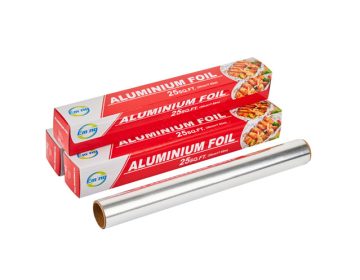
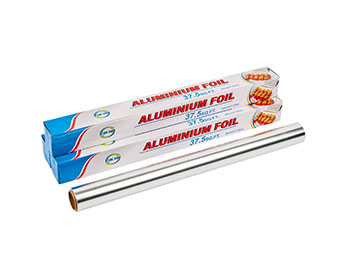
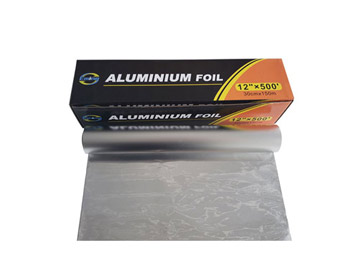
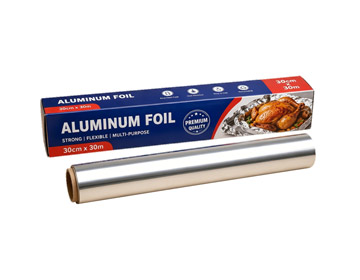
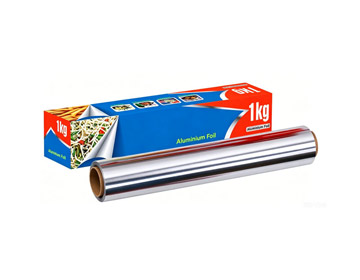
● Household aluminum foil rolls
● Food wrapping foil
● Dairy product lids
● Pharmaceutical and food laminations
● Chocolate and snack packaging
● Flexible food packaging materials
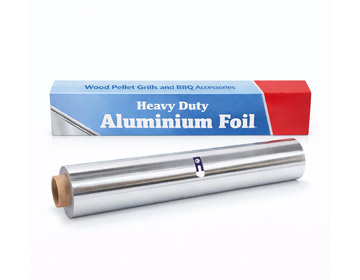
For household aluminum foil products, 8011 alloy is one of the most popular choices because it can be produced in thin gauges while maintaining good strength and durability. It is also suitable for high-speed production lines where excellent surface quality and consistency are required.
What Is 3003 Aluminum Foil?
3003 aluminum foil is an aluminum-manganese alloy known for its higher strength and better mechanical properties compared with 8011 aluminum foil. It provides excellent rigidity, corrosion resistance, and structural stability, making it ideal for applications that require stronger packaging materials.
3003 aluminum foil is widely used in:
● Disposable meal trays
● Baking trays
● Takeaway food packaging
● Heavy-duty foodservice applications
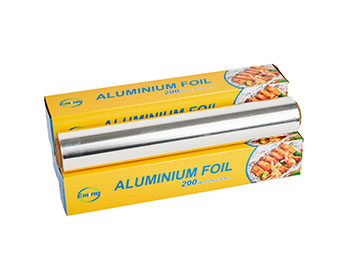
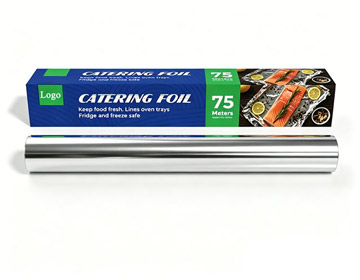
For foodservice foil and catering aluminum foil, 3003 aluminum foil is often preferred because it provides better resistance to deformation and can handle heavier food products. It is especially suitable for restaurants, catering companies, and commercial kitchens that need durable packaging solutions.
8011 vs 3003 Aluminum Foil: Key Differences
1. Strength and Durability
The main difference between 8011 and 3003 aluminum foil is mechanical strength.
3003 aluminum foil contains manganese, which improves its strength and rigidity. It performs better when the packaging needs to maintain shape, such as aluminum trays and containers.
8011 aluminum foil has slightly lower strength but offers better flexibility, which makes it more suitable for wrapping and sealing applications.
2. Formability
8011 aluminum foil has excellent forming performance and can be easily folded, shaped, and processed into different packaging designs.
3003 aluminum foil also has good formability but is generally selected when stronger material performance is more important than maximum flexibility.
3. Application Range
The best alloy depends on the packaging application:
|
Application |
Recommended Alloy |
|
Household aluminum foil rolls |
8011 |
|
Food wrapping foil |
8011 |
|
Yogurt and dairy lids |
8011 |
|
Disposable aluminum trays |
3003 |
|
Catering food containers |
3003 |
|
3003 |
|
|
General food packaging foil |
8011 or 3003 depending on requirements |
Which Aluminum Foil Is Better for Food Packaging?
There is no single answer to which alloy is better. The right choice depends on the purpose of the packaging.
If you need flexible, lightweight, and cost-effective foil for daily household use, 8011 aluminum foil is usually the better option. It is widely used for household aluminum foil rolls and flexible food packaging because of its excellent flexibility and sealing properties.
If you need stronger packaging for restaurants, catering services, or ready-to-eat meals, 3003 aluminum foil is often the better choice. Its higher strength and rigidity make it suitable for food containers, trays, and commercial food packaging.
In many cases, professional buyers select different alloys for different applications rather than using only one type of foil.
How to Choose a Reliable Food Packaging Aluminum Foil Supplier?
Choosing the right supplier is just as important as choosing the right alloy. A professional supplier should provide:
● Consistent aluminum foil quality
● Food-grade raw materials
● Customized thickness and width options
● Strict quality inspection
● Stable production capacity
● Reliable international delivery service
As an experienced food packaging aluminum foil supplier, Zhengzhou Eming Aluminium Industry Co., Ltd. provides high-quality aluminum foil products for various food packaging applications. The company specializes in supplying aluminum foil materials for household use, foodservice applications, and industrial packaging needs.
With advanced production technology and strict quality control, Zhengzhou Eming Aluminium Industry Co., Ltd. supports customers looking for reliable aluminum foil solutions, including foodservice foil, household aluminum foil, and catering aluminum foil products.
Why Work with a Professional Aluminum Foil Roll Manufacturer?
A trusted aluminum foil roll manufacturer can help businesses optimize packaging performance by offering customized solutions based on product requirements. Factors such as foil thickness, alloy selection, temper, surface quality, and roll size all influence the final packaging performance.
For distributors, wholesalers, and food packaging companies, working directly with an experienced manufacturer can provide advantages such as:
● Competitive pricing
● Customized specifications
● Consistent product supply
● Technical support
● Better quality control
Conclusion
Both 8011 and 3003 aluminum foil are excellent choices for food packaging, but they serve different purposes. 8011 aluminum foil is ideal for flexible applications such as household aluminum foil and wrapping materials, while 3003 aluminum foil is better suited for stronger applications such as food containers, catering packaging, and foodservice foil.
When selecting aluminum foil, businesses should consider the required strength, flexibility, forming performance, and end-use application. By choosing the right alloy and partnering with a reliable food packaging aluminum foil supplier, companies can achieve better packaging performance and customer satisfaction.
Feel free to contact us for the latest pricing.
WhatsApp: +8619138193376
Email: eming@emingfoil.com
Related Products