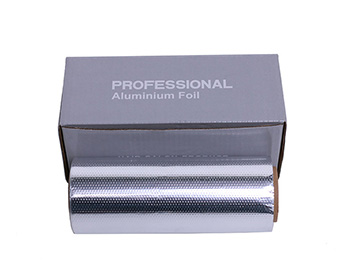
How to Choose High Quality Food Aluminum Foil
Choosing high-quality aluminum foil is about much more than selecting the right thickness. For food packaging manufacturers, distributors, and importers, the quality of aluminum foil directly affects food safety, sealing performance, product shelf life, and production efficiency.
With many suppliers offering similar products, buyers need to understand the key factors that determine aluminum foil quality before placing an order. This guide explains the most important points to help you make an informed purchasing decision.
1. Select the Right Aluminum Alloy
The first step is choosing the correct aluminum alloy for your application. Different alloys have different mechanical properties and are designed for different uses.
The most common alloys include:
- 8011 Aluminum Foil– Widely used for food packaging, household foil, pharmaceutical packaging, and food containers because of its excellent strength, corrosion resistance, and formability.
- 1235 Aluminum Foil– Suitable for flexible packaging and laminated materials where high purity is required.
- 8079 Aluminum Foil– Commonly used for pharmaceutical blister packaging and high-barrier flexible packaging.
Before purchasing, always confirm that the alloy matches your intended application.
2. Check the Thickness and Tolerance
Thickness is one of the most important specifications of aluminum foil. However, buyers should pay attention not only to the nominal thickness but also to the thickness tolerance.
Typical thickness ranges include:
|
Application |
Recommended Thickness |
|
9–25 microns (0.009-0.025 mm) |
|
|
Food container foil |
42–135 microns (0.042-0.135 mm) |
|
Pharmaceutical foil |
20–40 microns (0.02-0.04 mm) |
A reliable manufacturer should provide consistent thickness across the entire roll. Tight thickness tolerance helps improve production efficiency and reduces material waste.
3. Inspect Surface Quality
High-quality aluminum foil should have a clean, smooth, and uniform surface.
Check for defects such as:
● Scratches
● Oil stains
● Wrinkles
● Oxidation spots
● Edge cracks
● Uneven rolling marks
A smooth surface improves printing, laminating, and heat-sealing performance while reducing production defects.
4. Evaluate Mechanical Properties
Good aluminum foil should combine flexibility with sufficient strength.
Important properties include:
● Tensile strength
● Elongation
● Tear resistance
● Puncture resistance
These properties are especially important for food packaging, where the foil must withstand processing, transportation, and daily use without breaking.
5. Verify Barrier Performance
One of aluminum foil’s biggest advantages is its excellent barrier performance.
High-quality foil effectively protects products against:
● Moisture
● Oxygen
● Light
● Odors
● Water vapor
Strong barrier properties help extend shelf life and preserve food quality.
6. Confirm Food-Grade Certifications
If the aluminum foil will come into direct contact with food, always request relevant certifications from the supplier.
Common certifications include:
● FDA compliance
● ISO 9001 Quality Management System
● ISO 14001 Environmental Management System
● SGS testing reports (when requested by customers)
These documents demonstrate that the products are manufactured under recognized quality management systems.
7. Request Samples Before Mass Production
Before placing a large order, request samples for evaluation.
Sample testing allows buyers to verify:
● Thickness consistency
● Surface quality
● Roll winding quality
● Printing compatibility
● Heat-sealing performance
● Overall processing performance
Testing samples can significantly reduce purchasing risks.
8. Choose an Experienced Manufacturer
A professional manufacturer should provide more than competitive pricing.
Consider suppliers that offer:
● Stable production capacity
● Strict quality inspection
● Customized dimensions
● Fast delivery
● Export experience
● Technical support
An experienced supplier can help solve production issues and provide more consistent product quality over the long term.
Common Mistakes Buyers Should Avoid
Many buyers focus only on price. However, low-priced aluminum foil may result in:
● Inconsistent thickness
● Poor surface quality
● Frequent breakage during processing
● Higher production losses
● Customer complaints
Instead of choosing the lowest price, compare suppliers based on product quality, certifications, manufacturing capability, and service.
Frequently Asked Questions
Is thicker aluminum foil always better?
No. The ideal thickness depends on the application. Excessively thick foil may increase costs without improving performance.
Which alloy is best for food packaging?
8011 aluminum foil is one of the most widely used alloys because it offers an excellent balance of strength, corrosion resistance, and formability.
How can I identify food-grade aluminum foil?
Request certification documents, verify the manufacturing process, and confirm that the supplier follows recognized quality management standards.
Conclusion
Choosing high-quality aluminum foil requires evaluating multiple factors, including alloy selection, thickness tolerance, surface quality, mechanical properties, barrier performance, certifications, and supplier reliability.
By carefully assessing these factors before purchasing, buyers can improve product quality, reduce production costs, and establish long-term partnerships with reliable manufacturers.
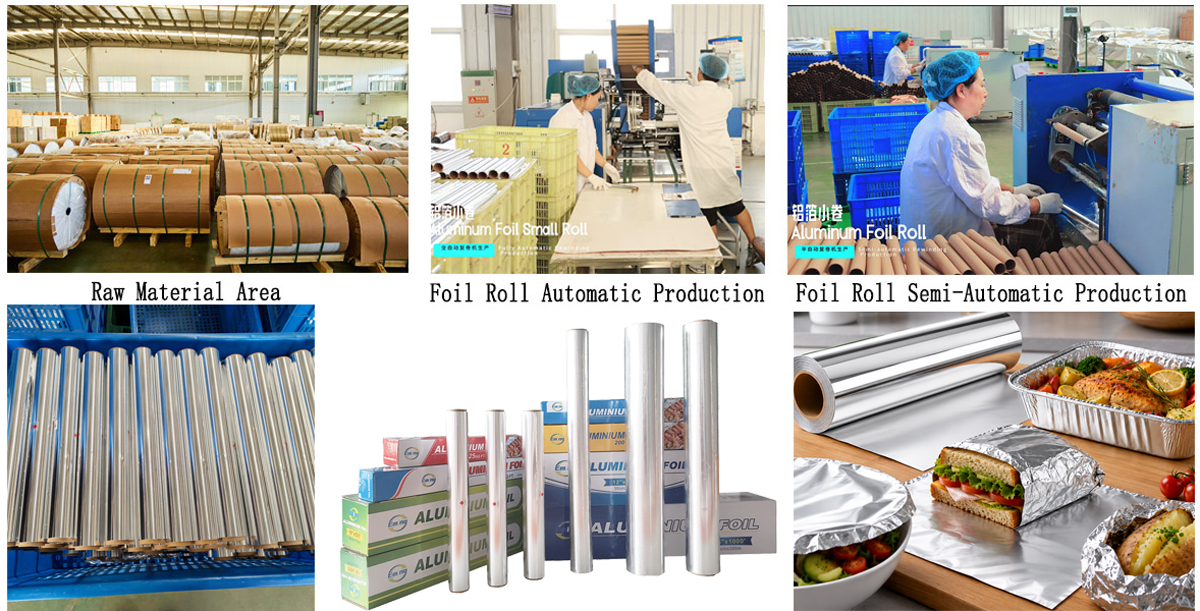
At Zhengzhou Eming Aluminium Industry Co., Ltd., we manufacture and supply a wide range of aluminum foil products for food packaging, household use, pharmaceutical packaging, and industrial applications. Every production batch undergoes strict quality inspection to ensure stable performance and consistent quality for customers worldwide.
Feel free to contact us for more details.
WhatsApp: +8619138193376
Email: eming@emingfoil.com
Related Products