How to Choose a Baking Paper Supplier: 7 Key Checks
Choosing a baking paper supplier involves more than comparing prices. For importers, distributors, wholesalers, and food packaging brands, the right supplier should provide consistent product specifications, suitable food-contact documentation, reliable production, and clear communication throughout the ordering process.
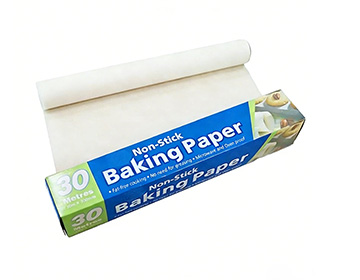
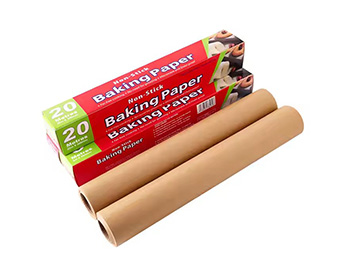
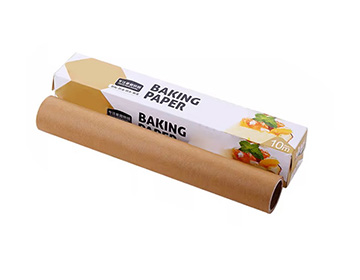
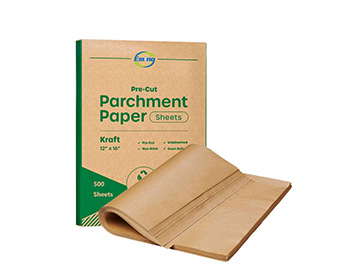
Whether you are sourcing non-stick baking paper rolls, pre-cut parchment paper sheets, or customized baking paper for commercial use, evaluating suppliers against the same criteria can help reduce quality risks and avoid unexpected costs.
This guide explains seven practical checks to complete before placing a bulk order.
1. Check Product Specifications and Intended Use
Before comparing suppliers, define the technical requirements for your baking paper.
Important specifications include:
● Paper basis weight and thickness
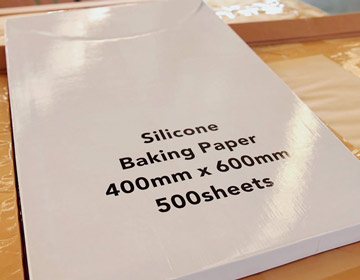
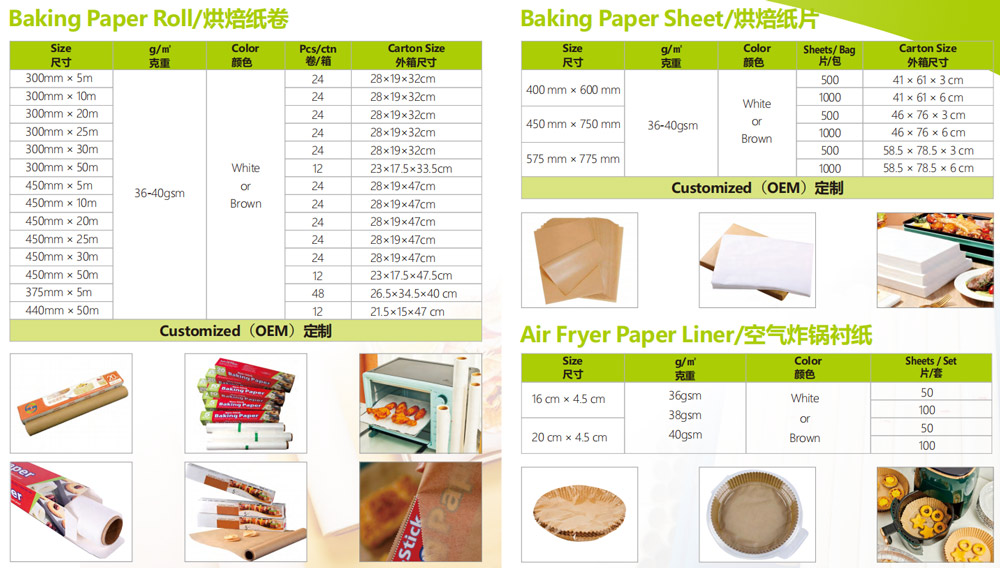
● Roll width, roll length, and sheet dimensions
● Silicone coating type and non-stick performance
● Grease resistance and paper integrity
● Maximum recommended operating temperature
● Core size, packaging format, and dimensional tolerances
Different applications may require different paper grades. For example, a bakery using large rolls for daily production may prioritize roll consistency and unwinding performance, while a distributor selling retail parchment paper may focus more on sheet dimensions, packaging, and shelf presentation.
Request a written specification sheet from each shortlisted manufacturer. Comparing equivalent specifications makes quotations more meaningful.
2. Verify Food-Contact Compliance and Heat Resistance
Food-contact suitability should be assessed against the regulations applicable to the destination market and intended use.
Ask the supplier for relevant declarations, material specifications, and test reports for the exact product under consideration. Check the scope of each document and whether it covers the materials and conditions relevant to the finished product.
For baking applications, confirm the recommended temperature range and any usage limitations. Do not assume that every parchment paper product can withstand the same temperature or duration.
Where possible, review test methods and supporting data before approving the product for commercial use. A general statement such as “food grade” is not a substitute for product-specific evidence.
3. Evaluate Manufacturing and Quality Control
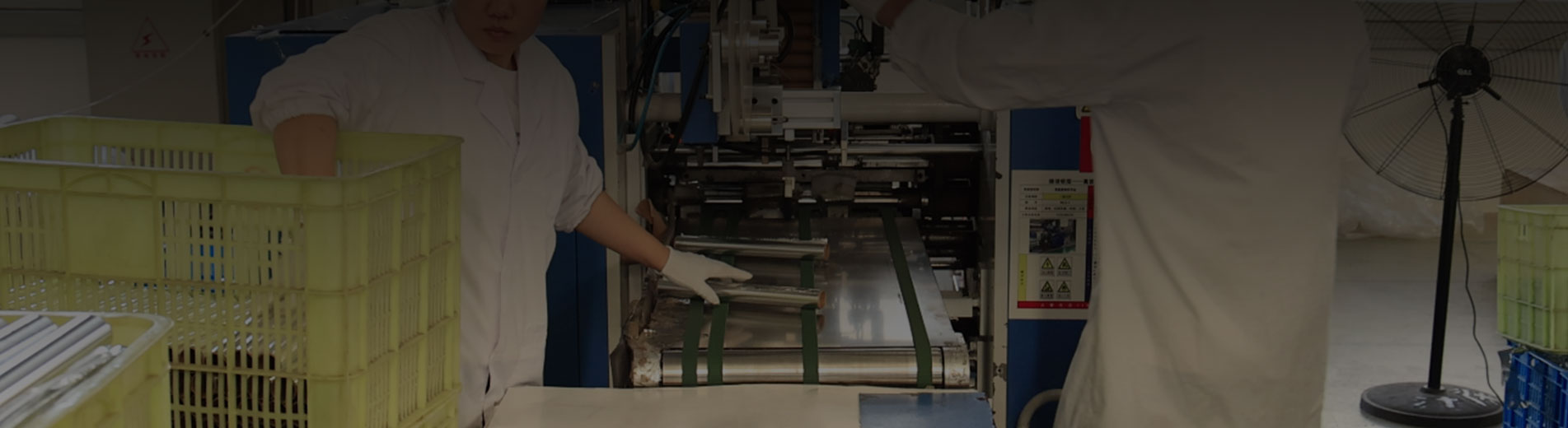
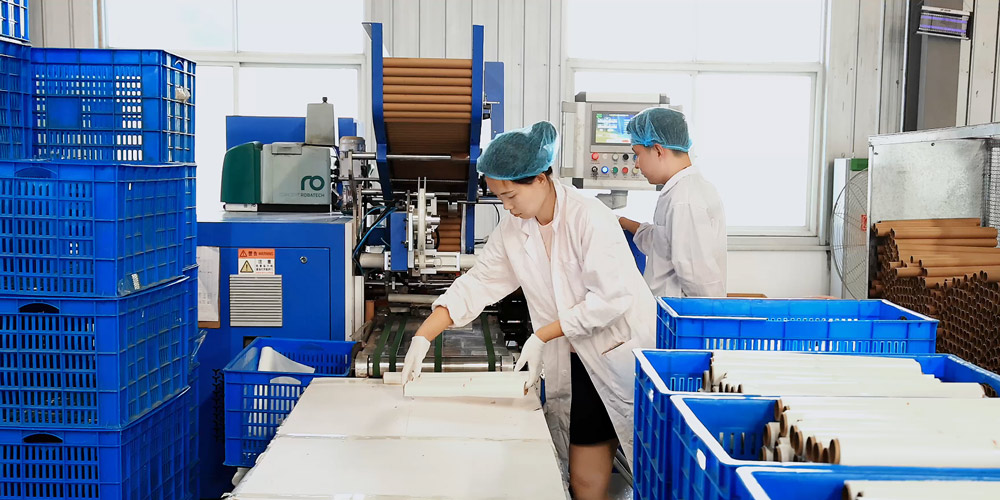
A reliable baking paper manufacturer should be able to explain how it maintains consistency from incoming materials to finished rolls or sheets.
During supplier evaluation, ask about:
● Incoming raw material inspection
● Coating and converting process controls
● Width, length, and basis-weight checks
● Inspection for coating defects, tears, and winding problems
● Batch identification and traceability
● Procedures for handling nonconforming products
Ask for sample inspection records or a description of the supplier’s quality control process. If your order requires tight dimensional tolerances or special packaging, confirm these requirements before production begins.
Manufacturing capacity is important, but the ability to maintain agreed specifications across repeat orders is equally important.
4. Test Samples Before Confirming a Bulk Order
Product samples help buyers evaluate performance under actual working conditions.
A practical sample evaluation may include:
1. Checking dimensions, appearance, and paper consistency.
2. Testing non-stick performance with representative foods.
3. Evaluating grease resistance and paper integrity.
4. Checking the product under the intended oven temperature and baking duration.
5. Reviewing odor, handling, and cleanup after use.
6. Comparing results across samples from different suppliers.
Use consistent test conditions and document the results. Establish acceptance criteria before testing so that supplier selection is based on measurable requirements rather than subjective impressions alone.
For large or recurring orders, consider agreeing on a reference sample and written product specifications before mass production.
5. Compare OEM and Customization Capabilities
Customization may be important for distributors, retailers, and private-label brands.
Depending on the manufacturer’s capabilities, available options may include:
● Custom roll widths and lengths
● Pre-cut sheets in specified dimensions
● Retail packaging and private-label branding
● Printed packaging or approved product printing
● Customized carton quantities and shipping labels
Ask for confirmation of minimum order quantities, sample lead times, production lead times, artwork requirements, and any additional setup costs.
Not every manufacturer offers every customization option. Confirm that the proposed solution is technically suitable for the intended food-contact application and that the agreed specifications will be documented in the quotation or purchase order.
Zhengzhou Eming Aluminium Industry Co., Ltd. is a professional baking paper manufacturer offering baking paper rolls and sheets, with customized sizes and packaging options available.
6. Compare Total Purchasing Cost, Not Just Unit Price
The lowest quotation does not necessarily represent the lowest overall cost.
When comparing baking paper suppliers, consider:
● Product price and order quantity
● Packaging and customization costs
● Freight, insurance, and applicable import charges
● Expected material loss or defects
● Payment terms and production lead times
● Costs associated with delays, replacements, or complaints
Request quotations based on equivalent specifications, quantities, packaging, and delivery terms. For recurring orders, assess whether the supplier can maintain consistent pricing and availability under an agreed purchasing arrangement.
A transparent quotation makes it easier to identify cost differences and evaluate the actual value of each offer.
7. Verify Delivery Reliability and After-Sales Support
For international buyers, reliable delivery is an important part of supplier selection.
Before placing an order, confirm production lead times, estimated shipping schedules, export packaging, carton specifications, and responsibilities under the agreed delivery terms.
It is also useful to understand how the supplier handles:
● Production delays
● Damaged goods
● Specification deviations
● Missing or incorrect quantities
● Quality complaints and corrective actions
For repeat business, ask how orders are tracked and how changes to specifications are communicated. Clear procedures can help prevent misunderstandings between the buyer, manufacturer, freight forwarder, and receiving warehouse.
Conclusion
Choosing a baking paper supplier requires a structured evaluation of product specifications, food-contact suitability, manufacturing consistency, sample performance, customization, total purchasing cost, and delivery reliability.
Rather than relying on promotional claims or unit price alone, request supporting documents, test representative samples, and record the requirements agreed with each supplier.
For distributors, wholesalers, and private-label brands, this process provides a more reliable basis for selecting a long-term parchment paper manufacturer and managing quality across repeat orders.
About the Manufacturer
Zhengzhou Eming Aluminium Industry Co., Ltd. supplies baking paper products for commercial and distribution applications. Buyers interested in product specifications, available sizes, or OEM packaging options can contact the company to discuss their requirements and request relevant product documentation.
Before placing an order, confirm the specifications and compliance documentation applicable to the selected product and destination market.
Feel free to contact us for more details.
WhatsApp: +8619138193376
Email: eming@emingfoil.com
Related Products